
Steel Mill and Smelter Case Studies.
We have played a significant role in solving filtration problems with customer-focused solutions.
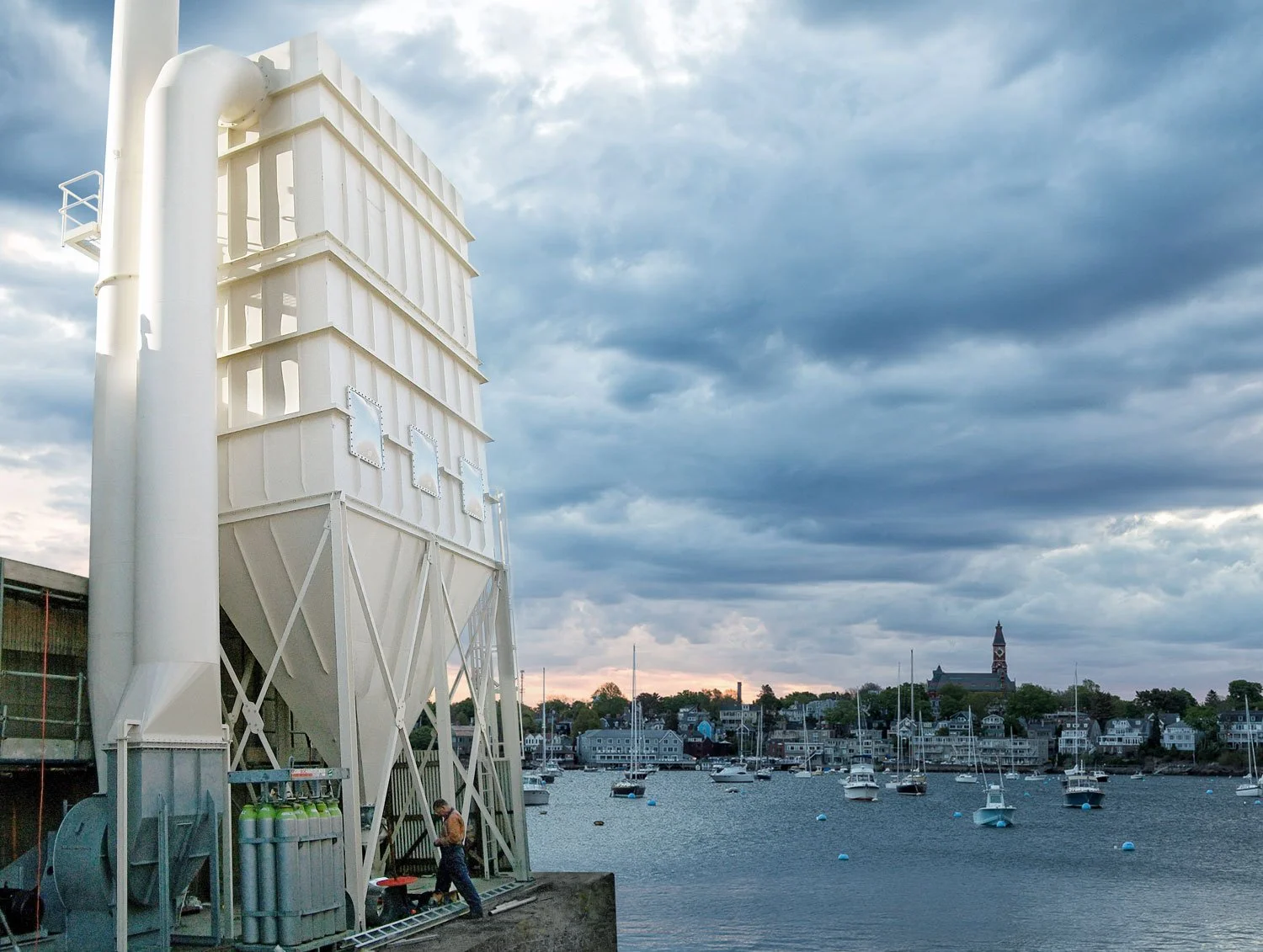
A Dust Extraction System for Esco Furnace Foundry.
Filtercorp completed a dust extraction system for a 4-ton electric arc furnace with the aim of increasing the furnace production output as well as ensuring emissions are kept in the acceptable range according to the resource consent requirements.
The system has a bleed-air arrangement and a spark cooler to keep the inlet gas temperature below a predetermined level and spark-free, allowing the use of a standard, lower-cost filter sock fabric. The furnace fume is collected via two side-by-side canopy hoods for the furnace and ladle tapping operations, all ducted back to the dust collector.
During operation of the furnace, the airflow extraction volume requirement varies according to each stage of the melting process, and the extraction ducting includes pneumatically operated dampers to adjust the flow per melting process requirements.
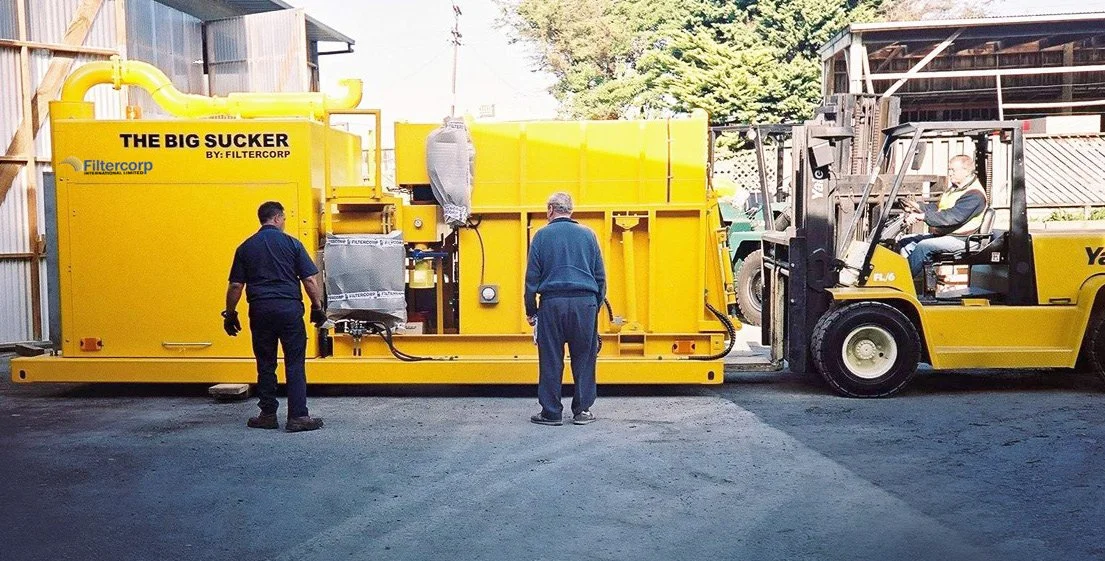
Filtercorp revolutionised the mobile vacuum unit with “The Big Sucker”.
Our designers & engineers took up the challenge of creating a trailer-mounted vacuum that could clean the shells in the pot line, eliminate workplace environment hazards and enable recaptured dust to be recycled. It needed to be big, powerful, and be able to suck a football through a hose – literally.
“The performance of “The Big Sucker” has met the expectations of all concerned on site. The unit completes the vacuuming task with ease and is user-friendly.”
This is how we revolutionised the mobile vacuum unit and developed “The Big Sucker” – a trailer-mounted vacuum unit powered by an 83kW diesel engine, with an air volume capability of 60m3/min handling material at a rate of up to 320kg/min, over a distance of 60 metres. One of the biggest vacuums we’ve ever developed.
At Tiwai Point in Southland, New Zealand Aluminium Smelters operates a primary smelter that uses pre-bake technology to produce some 330,000 tonnes of aluminium a year. The end product is produced in reduction pots located in pot lines, through electrolytic reduction of aluminium oxide. The pot shell refractory lining generally lasts around 2500 days, after which it is removed from the circuit, transported to a de-lining facility and refurbished.
Prior to transportation, men used to clamber into pots with jack-hammers, rakes and brooms to remove debris such as accumulated alumina and Case Study bath. A vacuum system known locally as the guzzler did the best it could to clean up the mess and dust. But it wasn’t good enough.
Not only was there still the health hazard of dust, but also the remaining material contributed to environmental pollution. Also, in the process of washing the pot shell and superstructure, washings captured as sludge needed de-hydrating before the material could be disposed of.
What was needed was a transportable vacuum that could clean the shells in the pot line, eliminate workplace environment hazards, and enable recaptured dust to be recycled. It would need to be big, powerful, and able to suck a football through a hose.